
Moving Aging Parents Into Your Home? A Complete Guide to Multigenerational Living
At some point, many families face the same question: should we move our aging parent in with us? Whether it's driven by health changes, financial needs, safety concerns, or simply wanting to be closer, multigenerational living is increasingly common in Mankato, North Mankato, St. Peter, New Ulm, Waseca, and the surrounding Southern Minnesota communities. Combining households takes real planning, and this guide walks through space needs, home features, financial considerations, and whether renovating or moving makes the most sense for your family.
Quick answer: Whether to move an aging parent in with you comes down to space, accessibility, finances, and whether everyone genuinely wants the arrangement, not square footage alone. A main-level bedroom and bathroom, clear financial agreements, and a realistic timeline make the biggest difference in how smoothly it goes.
Deciding If Multigenerational Living Is Right for Your Family
Families often consider this arrangement for a mix of reasons: health or mobility concerns, wanting to avoid assisted living, financial savings, childcare support from grandparents, emotional closeness, or peace of mind around safety. Before making a real estate decision, it helps to ask whether the arrangement is temporary or long-term, whether everyone genuinely wants it, whether you're financially prepared, and what level of privacy each generation needs. Setting clear expectations up front goes a long way toward preventing stress later.
How Much Space You Actually Need
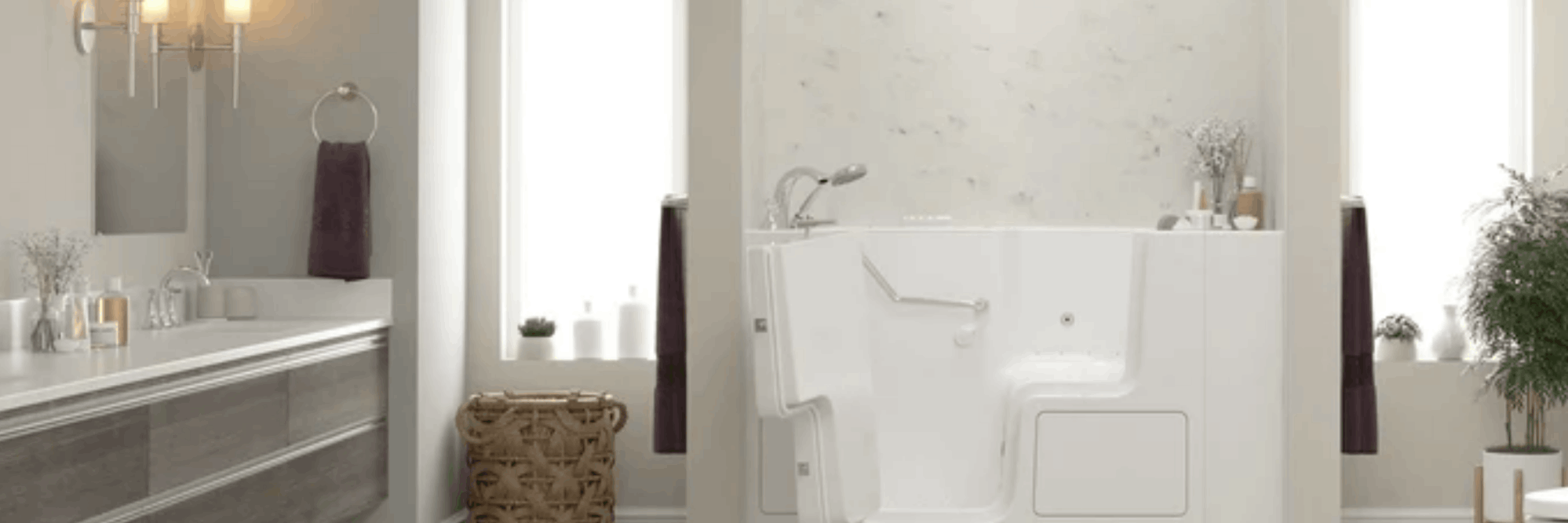
Square footage matters less than layout. Look for a main-level bedroom and full bathroom, a walk-in shower, minimal stairs, a separate living space if possible, a quiet bedroom location, and easy outdoor access. Ideal features for multigenerational homes include an in-law suite, a finished basement with its own bedroom and bath, a separate entrance, a ranch-style layout, wider hallways, and first-floor laundry. Function matters more here than raw size.
Renovating vs. Moving
Renovating May Make Sense If:
You love your current location, the home already has enough square footage, you can add a bathroom or bedroom, your budget supports the necessary updates, and the structural layout allows for changes. Common renovations include converting a dining room into a bedroom, finishing a basement, adding a bathroom, or installing accessibility upgrades.
Moving May Make More Sense If:
Your current home has multiple levels, bathroom access is limited, doorways are too narrow, major structural changes would be required, or the maintenance is already more than you can keep up with. In many cases, buying a single-level or purpose-built home ends up being more cost-effective than an extensive remodel.
Zoning and Legal Considerations
Before building an addition or creating a separate living space, confirm local zoning rules, permit requirements, egress compliance, separate entrance regulations, and any HOA restrictions that might apply. Requirements vary by municipality across Southern Minnesota, so consulting a contractor and your local building department upfront prevents costly mistakes later.
Handling the Financial Side
Multigenerational living affects mortgage qualification, property taxes, utilities, long-term healthcare planning, and estate planning. Worth working out ahead of time: will parents contribute financially, will they sell their home first, how will equity be handled, and is there a written agreement in place? If parents are selling a home in Mankato, North Mankato, St. Peter, New Ulm, or Waseca, understanding net proceeds helps structure the transition. Clarity here protects relationships just as much as it protects finances.
Selling a Parent's Home First
Often, yes, this is the better order of operations. Selling first can free up equity, reduce stress, eliminate double housing costs, and provide funds for home updates or shared expenses. That said, coordinating the timeline carefully matters, so there isn't a gap in housing along the way.
When the Move Is Temporary
If the move is short-term, say for a surgery or recovery period, a temporary rental, short-term housing, finishing a basement without permanent structural changes, or portable accessibility solutions may make more sense than purchasing a new property outright. Defining the expected duration early helps everyone plan around it.
Frequently Asked Questions
What type of home is best for multigenerational living?
Single-level homes, homes with in-law suites, or properties with finished basements and separate bathrooms are often ideal.
Is it cheaper to renovate or buy a new home?
It depends on your home's structural limitations and the scope of renovation needed.
Will adding an in-law suite increase home value?
It can improve marketability, though the actual value depends on buyer demand and the quality of the layout.
Can multiple generations qualify together for a mortgage?
Yes, depending on the specific lender's guidelines.
A Thoughtful Plan Protects Family Harmony
Moving aging parents into your home is a lifestyle decision as much as a housing one. Focusing on privacy, accessibility, financial clarity, long-term comfort, and written expectations makes the transition smoother for everyone involved. Families across Mankato, North Mankato, St. Peter, New Ulm, Waseca, and the surrounding Southern Minnesota communities often find that structured planning prevents emotional strain, and the right home supports dignity, independence, and connection for the whole family.
Related Reading
Categories
Recent Posts





Leave a Reply

Broker Associate License ID: 40352569
1650 Madison Ave., Ste. 101, Mankato, Minnesota 56001, USA